
One of the most important—and often neglected—responsibilities of leadership is building bench strength. Most leaders don’t think about it until a key player leaves, gets promoted, or becomes unavailable. But by then, it’s usually too late. The truth is, strong benches are built long before they’re needed.
At the heart of this idea is Level 4 leadership in the 5 Levels of Leadership framework—developing leaders. Organizations stall when leaders stay focused only on results instead of reproduction. If you want a sustainable team and a future-ready organization, you have to be intentional about preparing the next person to step up.
The good news? Building bench strength doesn’t require adding headcount. It requires shifting how you lead. Here are three practical steps every leader can take to strengthen their bench—starting today.
1. CREATE SPACE FOR OTHERS TO LEAD.
Bench strength begins when leaders stop doing everything themselves. Many leaders unintentionally weaken their teams by staying too involved—solving every problem, making every decision, and stepping in too quickly. When that happens, the team naturally steps back.
A simple question can reveal a lot: If I weren’t here for a season, could my team still function?
Strong leaders create space for others to lead. That doesn’t mean throwing people into high-risk situations without preparation. It means intentionally creating safe environments where team members can lead, make decisions, and experience small wins. Give people responsibility early—first quarter, not the last drive of the game.
When people are trusted with ownership, their confidence grows. And when confidence grows, your bench gets stronger.
2. DEVELOP LEADERS THROUGH INTENTIONAL THINKING.
Great benches are built through intentional development. One of the simplest and most effective ways to do this is by asking better questions, such as:
- How would you approach this?
- What would you do if you were in my role?
- How would you solve this problem?
These questions stretch people beyond their job descriptions and invite them into leadership thinking. They also help you identify who has potential—and who is ready for more responsibility.
Intentional thinking also means thinking ahead about succession. Who could step into each role if needed? What skills or experiences would they need to be successful? A helpful rule of thumb: if someone on your team can do a task 80% as well as you can, let them do it. That’s how growth happens—and often faster than you expect.
3. FORMALIZE GROWTH AND SUCCESSION PLANS.
The strongest teams don’t leave development to chance. They have clear growth and succession plans for everyone, not just high-potential performers. People want to know there’s a future for them, and leaders who invest in growth build both readiness and loyalty.
Each team member should have clarity around:
- What skills they need to develop
- What experiences will prepare them for what’s next
- Who will mentor or coach them
- How progress will be measured
This level of clarity increases engagement and retention—especially in today’s workforce. People don’t just stay for compensation; they stay where they’re growing.
Bench strength is about being prepared, not reactive. Surprises will happen. The real question is whether you’ll be ready when they do.
Leaders who intentionally create space, develop thinking, and formalize growth don’t just protect their organizations—they multiply their impact.
That’s Level 4 leadership.
And that’s how strong benches are built.
Looking for more corporate leadership insights to influence your leadership strategy?
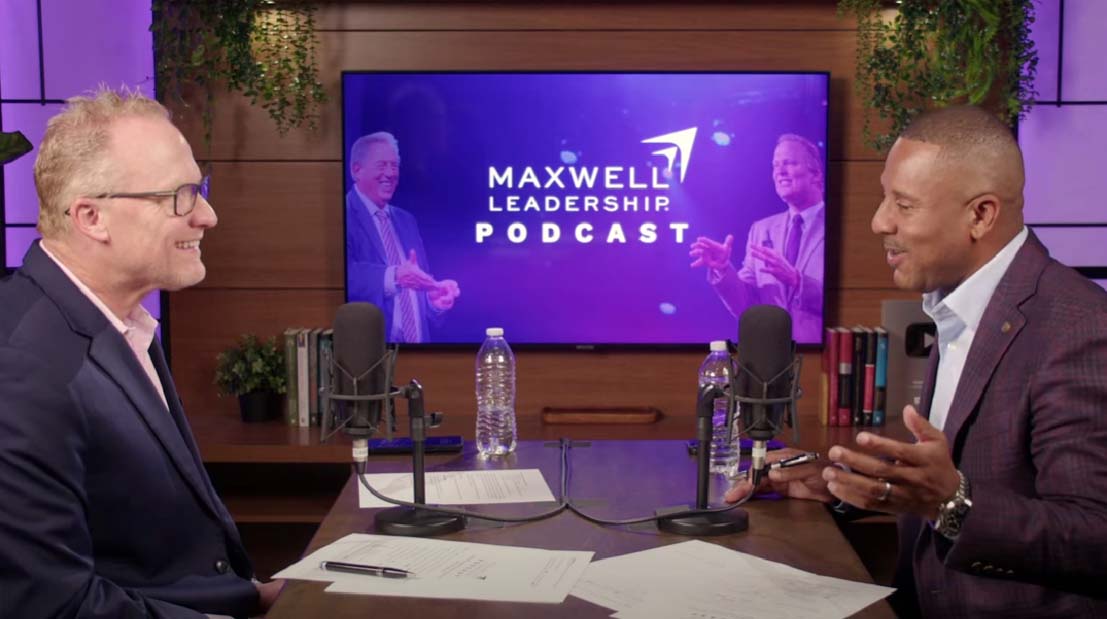
Every week, Maxwell Leadership’s staff of industry-leading growth and development professionals releases free leadership resources for the benefit of you and your team. Our Executive Leadership Podcast offers expert insights on today’s most pressing corporate leadership topics, while our Maxwell Leadership Podcast highlights transformational influence.