

You often hear the phrase, “Stories sell.” But in leadership, stories do even more than that—they show. As leaders, our role isn’t just to tell people what to do; it’s to help them see the way forward. And more often than not, our stories are what make ideas stick far better than facts or instructions ever could.
Stories make concepts tangible. They take lofty principles and put them in reach. When you share a story of where you’ve been—or of a challenge similar to what your team or customers are facing—you give people both camaraderie and confidence. They realize they’re not alone, and they gain inspiration for what’s possible.
So how do we apply this in a business context without drifting into long-winded anecdotes?
How to Use Storytelling in Leadership to Inspire Teams and Drive Results
Donald Miller, founder of StoryBrand, has famously outlined the elements of a compelling story. And the truth is, these elements work as well in leadership as they do in marketing. When you frame your communication as a story and include these simple factors, you give your message clarity, energy, and lasting impact.
Here are four elements of story that can transform how you lead:
1. WHO IS THE HERO?
The natural assumption is that as the leader, you’re the hero. But that’s not the case. In any story you tell, your team member—or your client—is the hero. They’re the ones facing the challenge, and they’re the ones who will ultimately rise to meet it. Your role is not to swoop in as the knight in shining armor, but to tell the story in a way that helps them see their own potential to succeed.
2. WHAT IS THE PROBLEM?
Every hero faces a problem. The clearer you can identify and name that problem, the stronger the story will resonate. This is where leaders need to strip away jargon and corporate language. Don’t describe challenges in “level 10” insider terms. Instead, simplify down to a “level 2” so that everyone understands. Clear, everyday language makes the problem real—and solvable.
3. WHO IS THE GUIDE?
This is where you enter the story. You are not the hero—you’re the guide. Your experience, your hindsight, even your past mistakes, become tools to light the way forward for others. When you share how you navigated a similar obstacle, you offer wisdom without stealing the spotlight. Your job is to help the hero win.
4. WHAT’S THE PLAN?
No story is complete without a path forward. As the guide, your responsibility is to help the hero develop a clear plan. This plan doesn’t have to be complicated—it just needs to point them toward action. How will this plan help them avoid disaster? How will it push them to keep growing instead of settling? How will it help them see that they themselves are capable of overcoming the challenge? That clarity is what propels the story into real transformation.
Every leader has a bank of stories—moments of success, moments of failure, moments of grit. The more often you tap into those stories, the more influence you build. Stories turn abstract leadership principles into memorable lessons people can apply. And when your team or your customers see themselves in the story, you’ll inspire more change than instructions alone ever could.
Storytelling isn’t just a communication tool—it’s one of the most powerful leadership tools you have.
Looking for more corporate leadership insights to influence your leadership strategy?
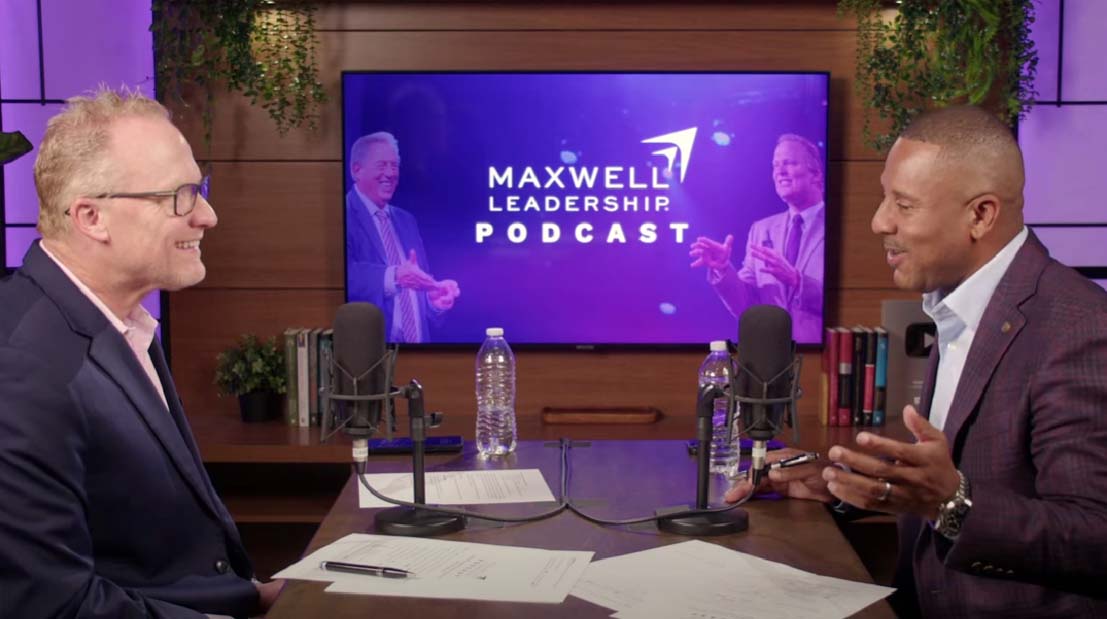
Every week, Maxwell Leadership’s staff of industry-leading growth and development professionals releases free leadership resources for the benefit of you and your team. Our Executive Leadership podcast offers expert insights on today’s most pressing corporate leadership topics, while our Maxwell Leadership podcast highlights transformational influence.




Be the first to comment on "4 Keys to Using Story to Drive Leadership"