
Communication fatigue builds when leaders carry the message and the momentum at the same time. Priorities get shared, expectations get clarified, and follow-ups keep piling up because execution stays uncertain. Over time, the work requires extra communication to move forward, and that steady pressure drains the leader and dulls the team’s responsiveness.
The turning point comes when communication creates shared ownership. When people understand what matters, why it matters, and what they own next, your words travel further, and the team moves with more confidence. Clarity strengthens pace, lifts engagement, and reduces the need for constant pushing.
What Leadership Communication Fatigue Looks Like In Real Teams
Leadership communication fatigue rarely starts with one big breakdown. It builds through small moments where leaders repeat themselves, work harder to create clarity, and still feel the team hesitate. These patterns show up consistently across teams:
- Repetition Becomes The Default: Priorities get restated across meetings and messages because the first communication does not stick. Repetition creates noise, and urgency starts to fade.
- Decisions Require Long Explanations: Leaders add more rationale and more context to help people understand. Movement slows as people wait for additional clarification.
- Follow-Ups Turn Into A Routine: Updates require chasing because progress remains unclear. Leaders carry extra communication work, and teams learn to depend on reminders.
- Conversations Start To Feel Heavy: Simple check-ins bring tension because leaders expect resistance or silence. That tension changes tone, and people pull back.
- Messages Multiply Across Channels: Threads, pings, and recaps scatter attention. Volume rises, and leaders respond with even more communication, which increases fatigue.
When these signs show up together, it helps to pause early. The goal is restoring responsiveness while trust remains strong and habits stay flexible.
Assess Your Influence Before You Fix Leadership Communication Fatigue
Leadership communication fatigue often signals that influence is not carrying as far as it needs to. When you ask for action, watch what happens next. Strong influence shows up as ownership and movement. Strained influence shows up as hesitation, circular questions, and progress that appears after another push.
Use a simple check and listen to what patterns reveal.
- When I communicate a decision, do I get movement or monitoring?
- Do people act with confidence, or do they wait for reassurance?
- When pressure rises, does the connection hold or does compliance crack?
Influence lowers communication fatigue because your words land on trust and clarity, and work moves forward with less repeated explanation. With that picture in mind, leaders can focus on habits that create ownership in the work itself.
How To Overcome Communication Fatigue: Strategies For Leaders
Communication fatigue improves when leaders build habits that create shared ownership, so clarity turns into follow-through with less repeated pushing.
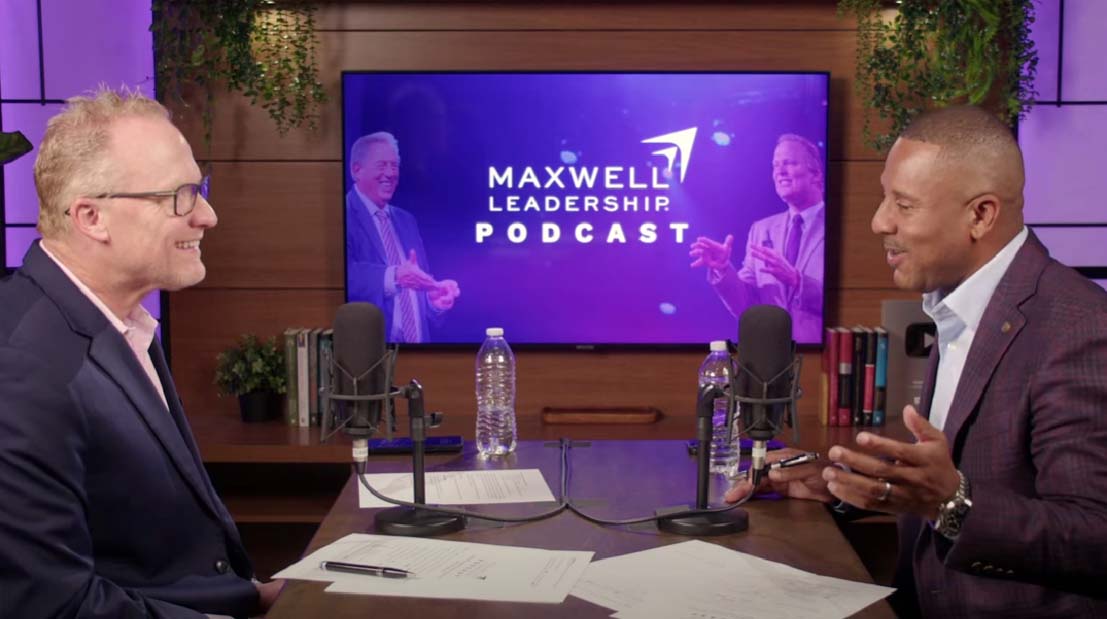
In the Maxwell Leadership Podcast episode “Improving Your Level 3 Communication,” Perry Holley, Coach and Facilitator of Maxwell Leadership, and Chris Goede, Executive VP leading coaching and development, share practical insights that help leaders strengthen communication under pressure and reduce communication fatigue.
Restore Connection First So Expectations Land Clearly
John Maxwell says, “You gotta touch a heart before you can even ask for a hand.” Communication fatigue rises when leaders keep asking for output while connection fades, because people stop feeling the work has room for them as people.
Restore connection with a brief acknowledgment of what the team is carrying, then link the work to the purpose in plain language and confirm what done well looks like. When connection leads, expectations land with less friction and effort steadies.
Ask Questions That Build Ownership And Reduce Follow-Up
Humble inquiry reduces communication fatigue because it turns communication into shared thinking. A little extra time early often saves time later because people help shape the plan and carry it forward.
Ask questions that invite ownership, then listen without rushing to correct. “What are you seeing that I might be missing?” and “What would make this easier to execute well?” When people contribute early, follow-up gets lighter because clarity was built together.
Notice When Fatigue Pushes You Into Telling Instead Of Asking
Fatigue can pull leaders into a shortcut mindset where telling feels faster than asking. Over time, that pattern teaches people to wait for direction, which keeps the leader carrying the thinking and the chasing.
Pause and replace the push with one honest question that invites responsibility and surfaces what is slowing progress. When people own the work, communication fatigue eases because movement comes from commitment.
Meet Core Team Needs So Momentum Returns Naturally
Chris Goede says, “People want to be seen, valued, and heard.” Those needs shape whether communication creates movement or hesitation. When people feel unseen, they often pull back and wait, which adds more work for the leader.
Make it consistent. Reflect what you heard, name strong contributions, and connect decisions to team input so people know their voice mattered. That rhythm strengthens engagement and reduces communication fatigue.
Build A Weekly Question Rhythm That Keeps Teams Aligned
Communication fatigue decreases when communication becomes predictable and useful. A weekly question rhythm gives teams a steady way to prepare, share reality from the front lines, and stay aligned without long explanations.
Return to a small set of questions each week around risks, process friction, resources, tradeoffs, and support needed. When the team knows what will be asked, they come ready, and reminders become less necessary.
Invite Input With Humility So You Stop Carrying Every Answer
Communication fatigue grows when leaders feel responsible for having all the answers. Humility lowers that load and invites better thinking into the room. Chris Goede says, “The purpose of this humble inquiry is to improve communication. How do we stay so strong in communication that we do not lose connection with them?”
Use language that stays clear and open. “Here’s what I’m leaning toward. Where could this break in real life?” and “Help me understand what success looks like from your seat.” Shared thinking creates shared ownership, and that eases strain.
Turn Passive Watchers Into Owners To Increase Engagement
Disengagement multiplies communication fatigue because leaders end up chasing updates and restarting urgency. When too many people watch instead of owning, communication turns into constant follow-up and repeated direction.
Move watchers into ownership by establishing clear responsibilities and genuine inclusion. Ask for their view on obstacles, invite improvement to the plan, and assign a next step they can own entirely own. As more people become contributors, momentum rises, and communication becomes lighter.
Read: Communicating Effectively: Is Your Communication Style Working For or Against You?
Build A Communication Rhythm That Lasts With Maxwell Leadership
Communication fatigue grows when leaders keep pushing the same messages while ownership remains unclear. It fades when communication strengthens connection, invites honest input, and keeps priorities and responsibilities clear, so follow-through becomes steadier.
Maxwell Leadership works with leaders who want communication that carries clarity without constant repetition. Our Leadership Communication Training helps teams build shared understanding, strengthen trust, and follow through with greater consistency, especially when pressure rises and decisions need to move.
Subscribe to the Maxwell Leadership Podcast for ongoing leadership insight, and connect with our team to discover training experiences that strengthen communication habits across your organization.