
Hybrid workplace communication shapes how work actually gets done. Calendars stretch across rooms and screens, conversations move in different places, and momentum slows when direction blurs. Physical distance can quietly turn into mental distance when teams lack shared signals that keep people connected to purpose and to one another.
For team leaders working in a hybrid model, clarity becomes the rhythm that holds everything together. It frames what matters now, helps decisions land, and keeps progress visible across locations without asking people to guess where to focus next.
What Clarity Looks Like In Today’s Hybrid Teams
Clarity in hybrid workplace communication is a shared picture that travels cleanly from screen to room. People use the same language, see the same destination, and understand how their part supports the whole.
You can hear clarity in the way teammates talk about the work. They point to the same place for updates and describe ownership the same way. In short, people can answer a few questions without hesitation:
- What are we doing and why does it matter
- Who is responsible for what outcome
- When will progress be reviewed and decisions recorded
- Where will the latest information live
When these answers line up, collaboration feels natural across teams, energy goes into progress rather than decoding signals, and trust grows because the picture holds steady from one conversation to the next.
Strategies To Strengthen Communication In Hybrid Teams
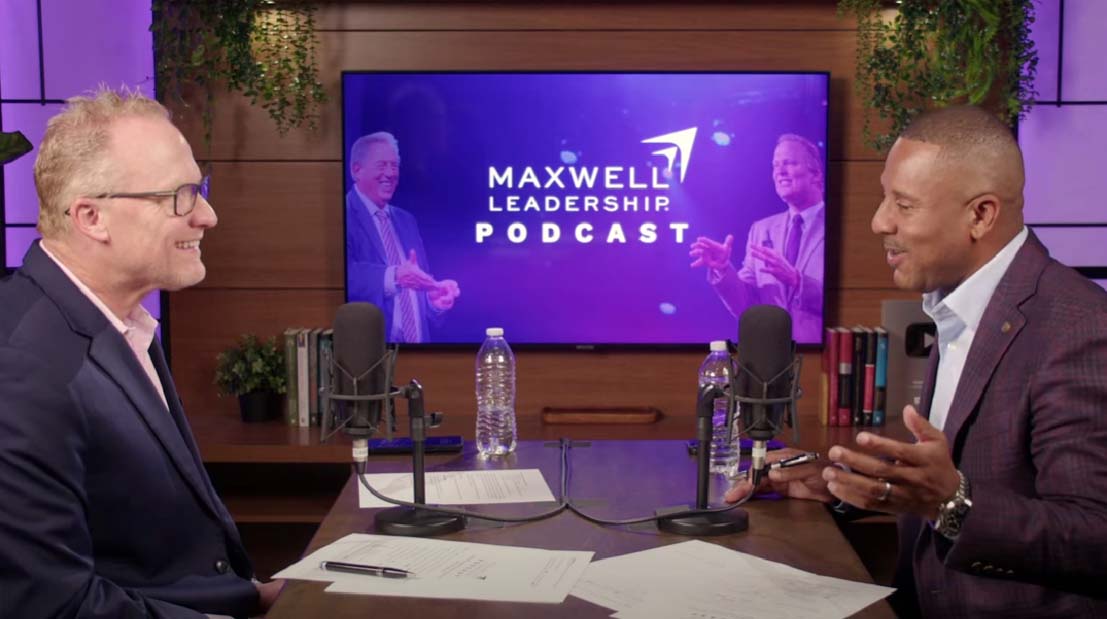
Strong communication habits give scattered teams a steady pulse. In the Maxwell Leadership Podcast episode “Strategies for Leading a Remote Workforce”, Perry Holley and Chris Goede share practical moves that leaders can put to work in real time. The practices below draw on those insights and reinforce hybrid workplace communication as a daily discipline that keeps connection and clarity working together.
Start Every Project With a One-Page Clarity Brief
Launch each effort with a single page that frames the work at a glance. Name the problem, the desired outcome, key stakeholders, and the timeline that sets expectations. Map early milestones and the channel for updates, and note who makes which decisions.
This living brief keeps context visible and questions directed to the right owner. It provides a solid starting point for hybrid workplace communication.
Set a Predictable Communication Cadence
Give your team a rhythm they can count on with named touchpoints for priorities, progress, and wins. Protect those moments on the calendar so alignment does not depend on chance.
As Chris Goede warns, “When there’s a lot of silence, when there’s not frequent conversation, no matter what’s going on, we fill in the story in our head with the most negative version of that story.” A steady cadence removes the silence that invites those stories and replaces it with trust that people can feel.
Mix Your Medium to Match the Message
Choose formats that fit the moment so tone, speed, and context travel well.
- Share direction with a short video so people hear the intent
- Call when nuance matters and relationships benefit from voice
- Post decisions in writing so they are easy to find and forward
- Build in shared docs so comments, files, and choices stay together
Varied and frequent touchpoints help people feel seen, which is the heart of hybrid workplace communication.
Close Every Loop in Writing
End live discussions with a quick written summary that names the decision, the owner, the due date, and the links. Post it in a consistent place that the team already uses.
This small habit reduces repeat debates, keeps momentum moving for those who could not attend, and prevents the same topic from resurfacing. Clear closure today prevents confusion tomorrow.
Rotate Meeting Times to Include Every Time Zone
Share the time-zone load so participation stays fair across the team. When one group always carries the early or late slot, move the meeting and explain the change.
As Perry Holley notes, “No leader starts the day planning to leave people out.” Time choices are one way to prove that everyone belongs in the conversation. Publish a simple rotation for the next quarter so people can plan well and feel considered.
Design for Belonging in Every Interaction
Create a space where people can show up as themselves. Belonging is present when individuals feel accepted without having to reshape who they are. You can build that feeling with simple moves such as sending agendas early, rotating facilitation, inviting dissent, and thanking those who raise it, then documenting the final call.
These habits strengthen psychological safety and make participation easier to trust. Teams that work this way share information more freely and move with steady confidence.
Begin Check-Ins with Connection Before Task
Start one-on-ones and team huddles with a brief human moment, such as a weekend highlight or a recent learning. The aim is to see the person first and let the work follow.
A minute of connection lowers anxiety, opens the room, and raises the quality of conversation. When people feel known, they contribute sooner and with more clarity. Over time, this small practice strengthens trust and makes progress easier to maintain.
Invite Cross-Team Sit-Ins to Break Isolation
Offer teammates a seat in adjacent meetings so they can see how decisions are made in other parts of the business. This widens the context and builds relationships that help work move faster. Hybrid teams grow stronger when people understand the whole, not only their lane. End each visit with a short debrief so insights become practical improvements in daily work.
Ask What People Actually Heard You Say
Close meetings with a quick clarity check. Invite each person to say what they will do next and when they will do it. Listen for drift and align with owners while the group is still together.
This simple moment turns agreement into action that holds after the call ends. End with a brief written note in the shared space so the clarity survives the meeting.
Run Meetings Remote First
Design the experience so presence feels equal for everyone. Where possible, use one camera per person, invite input in a round-robin, and capture notes in a shared document as you go.
When mechanics are fair, participation rises and trust grows across locations. Start on time and finish with a visible recap so momentum continues after the call.
Model Boundaries That Protect Energy
Leaders set the tone for healthy performance and focus. Use scheduled send, set quiet hours, and make availability visible so work has a sustainable rhythm.
As Perry Holley says, “Leaders make everything rise and fall… on leadership.” Your example signals how the team can succeed without burning out. Protect time off the clock and recognize when people honor the boundary.
Read: Managing Virtual Teams: How To Be An Effective Team Leader
Turn Communication Into Momentum With Maxwell Leadership
Clarity turns distance into alignment that people can feel. A steady cadence builds trust, and a sense of belonging invites every voice. When teams share the same picture, decisions land cleanly and progress stays visible across rooms and screens.
Maxwell Leadership equips leaders to make that picture real every week. Our Leadership Communication Training offers practical frameworks for meeting design, message clarity, and inclusive rhythms that fit hybrid work. Our coaches bring proven experience that helps teams build cultures where communication supports performance and wellbeing.
Build your skills weekly with the Maxwell Leadership Podcast, and talk with our team about development solutions that elevate communication across departments.