
Leadership shows up before decisions are finalized, often in how conversations are guided, tensions are handled, and priorities are clarified. Strong negotiation skills help leaders set direction early by keeping discussions focused, balanced, and productive, no matter the setting.
At the leader’s table, negotiation isn’t about winning or conceding. It’s about listening carefully, asking better questions, and making choices that move the group forward with clarity and trust. That requires a specific set of skills, ones that help leaders manage pressure, align interests, and make progress without eroding relationships. The following negotiation skills are essential for leaders who want to guide conversations with confidence and intention.
Types of Negotiation Skills That Elevate a Leader’s Impact
Leaders negotiate every day as they make decisions, set expectations, and align teams. How these conversations are handled affects trust, collaboration, and momentum.
The following types of negotiation skills offer a foundation that strengthens your presence at the table:
- Emotional Steadiness: Helps leaders stay centered when discussions stretch people’s comfort zones and pressure begins to rise. This grounded presence reassures the room and encourages others to bring their best thinking to the moment.
- Big-Picture Thinking: Big-picture thinking invites leaders to frame each conversation within the organization’s wider mission. When leaders keep the larger direction in view, decisions carry intention and create momentum that serves the team well.
- Analytical Clarity: Analytical clarity helps leaders sort through what matters without feeling overwhelmed. With this clarity, complex information becomes easier to understand, and the leader’s contributions gain a sense of structure that people trust.
- Value Alignment: Value alignment allows leaders to anchor conversations in purpose rather than preference. When values guide the way forward, the dialogue carries a steady tone that encourages connection and shared commitment.
- Personal Discipline: Personal discipline strengthens the way leaders show up at the table. A leader’s consistency, preparation, and focus help people sense reliability, elevating the influence they bring to every discussion.
How to Strengthen Your Negotiation Skills at the Leader’s Table
Leaders grow through the way they show up in important conversations. Every negotiation, formal or informal, reveals something about the preparation they bring, the influence they cultivate, and the steadiness they offer the group.
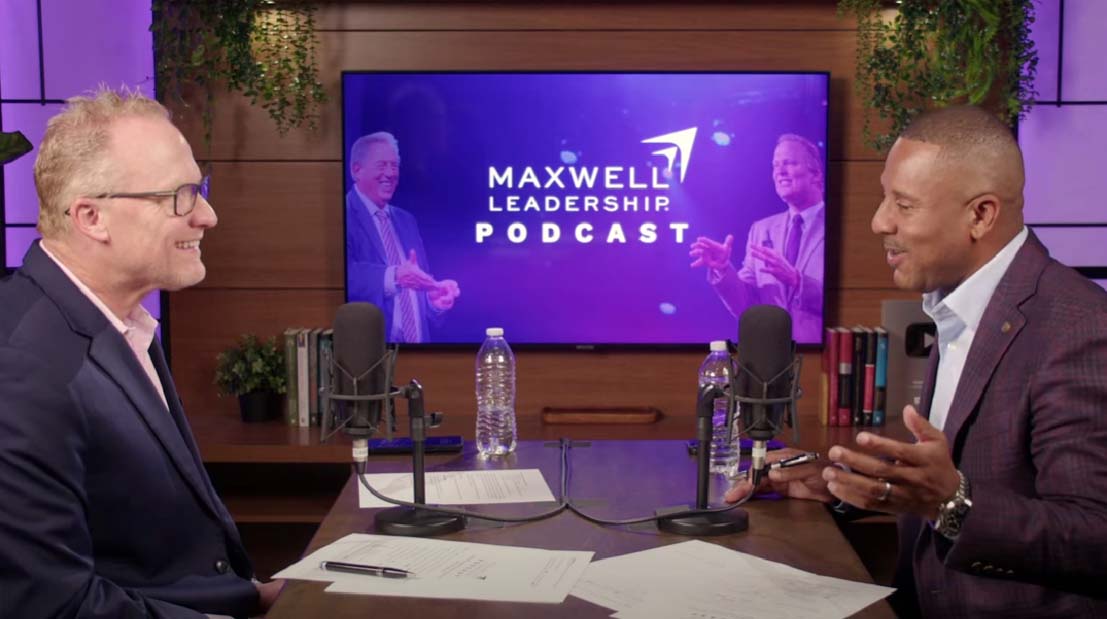
In the Maxwell Leadership Podcast episode “I Want a Seat at the Table,” Perry Holley, Coach and Facilitator for Maxwell Leadership, and Chris Goede, Executive Vice President of Maxwell Leadership, share meaningful insights to help leaders strengthen their contributions when decisions matter most. The ideas below reflect what it takes to engage with confidence and clarity at the leader’s table.
Prepare With Purpose Before You Walk In
Preparation sets the tone for how you contribute. When you enter the conversation with a well-formed point of view, you support the group with clarity and direction.
This kind of readiness shows that you understand organizational priorities and have taken time to reflect on what will move the team forward. It strengthens your influence and positions you as someone who adds meaningful value, signaling that you respect the people who will share the table with you.
Cultivate Influence So Your Seat at the Table Has Weight
Influence grows through the way you contribute long before the negotiation begins. As Perry Holley reminds us, “Focus on influence, not on title,” because the strength of your voice comes from the trust and credibility you build over time.
When you offer thoughtful insight, support others, and help the team progress, your presence at the table carries natural authority that people respect. This kind of influence encourages others to lean in and hear what you have to say.
Use Emotional Intelligence to Balance Confidence and Humility
Emotional intelligence helps you express your perspective with clarity while staying open to the possibility that others may see something you missed. It reminds you to speak with conviction yet remain willing to learn, and to bring confidence without overshadowing the voices around you.
This balance encourages honest dialogue and reduces defensiveness, creating a space where people feel respected and heard. It also strengthens the trust others place in your leadership during important conversations.
Think Strategically Instead of Protecting Your Territory
Strategic thinking helps you look beyond personal preferences and focus on what serves the organization’s greater direction. Perry Holley frames this with a meaningful question: “Are you taking a big picture point of view or are you the leader that protects your own territory?” When you hold a broader perspective, your contributions reflect a spirit of unity and long-term progress. This approach encourages others to consider what supports the mission rather than individual wins.
Embrace Healthy Tension and Invite Diverse Perspectives
Healthy tension supports stronger decisions by opening the door to honest thinking and a wider range of ideas. When people feel comfortable sharing different viewpoints, the conversation gains depth, and the team can explore issues more fully.
Once those perspectives are heard and discussed, the group can choose a direction together and commit to it, even if not everyone shared the same opinion at the start. This practice helps the team move forward with unity and clarity, and shows others that their perspective matters, especially when the topic feels complex or uncertain.
Lead With a Service Mindset Instead of a Personal Agenda
A service mindset changes the tone of negotiation. When you approach the table with a desire to support the team and the mission, people sense your intention. Perry Holley puts it clearly: “Your role at the table is to serve the team and the organization, not to serve yourself.” This posture creates connection and strengthens long-term relationships. It also helps you keep the conversation centered on outcomes that uplift everyone involved.
Strengthen the Essential Mechanics of Negotiation
The skills you bring into each conversation become more effective when supported by clarity, creativity, and foresight. When you combine thoughtful communication with the foundational capacities you developed earlier, you create room for collaboration and alignment. These mechanics help you guide conversations that lead to thoughtful, well-supported decisions. They also help you maintain a steady rhythm in the discussion so people feel encouraged to contribute.
Read: The Best Way to Improve Your Communication Skills
Grow Your Communication Confidence With Maxwell Leadership
Negotiating from the leader’s table invites emotional maturity, strategic thought, and a spirit of service that strengthens every conversation. These qualities help you bring clarity to challenging moments and support decisions that reflect shared purpose. When you lead this way, the table becomes a place where trust grows, and people feel encouraged to offer their best thinking.
Maxwell Leadership guides leaders who want to deepen these skills and strengthen their presence in meaningful conversations. Our Leadership Communication Training equips you with tools that enhance influence and connection, and our coaching and development experiences are built to support steady growth at every stage of your leadership journey.
Subscribe to the Maxwell Leadership Podcast for weekly insight that sharpens your leadership voice, and connect with our team to create a development path that strengthens trust and clarity across your organization.