
Organizational blindness often hides in plain sight. It surfaces when opportunities slip by, culture loses its spark, or leadership grows disconnected from the team’s day-to-day reality. For leaders who care about growth and community impact, identifying these blind spots is the first real act of courage. They can emerge from narrow perspectives, unchecked biases, or the tendency to lean too heavily on strengths while neglecting weaker areas. Tracing those roots opens the door to clarity, stronger alignment, and meaningful change across the organization.
What Organizational Blindness Looks Like in Practice
When organizational blindness takes hold, leaders may misread culture, assuming harmony when frustration simmers beneath the surface. Innovation stalls because subtle shifts in markets go unnoticed or are dismissed too late. Overconfident leadership pushes decisions without input from those closest to the work, reinforcing blind spots fueled by confirmation bias.
These corporate blind spots often stem from defensive habits and echo chambers that favor familiar views over challenging truths. In systems where communication flows only through rigid hierarchies, fresh insights struggle to emerge, and past successes become blinders to new realities. Over time, this shared tunnel vision dims adaptability, erodes trust, and limits collective awareness across the entire organization.
Signs Your Organization May Be Blind to Reality
Here are the signs to help you see clearly what may be hiding beneath the surface. These red flags often reveal patterns before they become crises, so pay attention now and act accordingly.
Repeated Strategic Failure Despite Confidence
Your team moves forward confidently, yet improvements fall flat. Strategy cycles repeat without growth. The persistence of these outcomes signals that deeper systemic patterns are at work. These breakdowns often point to blind spots in underlying assumptions or misaligned priorities.
High Turnover Linked to Disconnection Between Leaders and Teams
People leave not for pay but because they feel unseen. Leadership blind spots erode trust and engagement, leading valued talent to quietly depart. When exit feedback hints at silence or fear, it reflects a deeper organizational blind zone.
Slow Innovation or Inability to Respond to Market Change
Your organization hesitates on new ideas or misses emerging trends. That hesitation may come from an internal blind spot before the market moves on. Innovation stalls when familiar methods become the default, and changes in context are ignored.
Complacency and Echo Chambers
Voices become similar, feedback fades. Teams stop questioning. If only a few opinions dominate, you lose awareness of blind spots and a broader perspective. Echo chambers emerge when dissent is stifled, preventing discomfort from shaping better decisions.
Resistance to Dissenting or Uncomfortable Feedback
When leaders appear unreceptive to challenge, people self‑censor. That silence builds blind spots faster than any strategy. Environments without psychological safety reinforce tunnel vision and surface-only harmony.
Overconfidence in Familiar Methods
Success in one area breeds the belief that those methods always work. Leaders overlook when the context or environment has shifted. That reliance blinds teams to evolving needs and leaves them unprepared to pivot.
When leaders fail to understand how others perceive them, trust and engagement erode. People stop offering ideas, and innovation dries up. Teams disconnect and begin to leave quietly, taking valuable energy with them. A blind spot in leadership ripples outward, reducing creativity, slowing progress, and dimming the organization’s role in community impact.
Root Causes of Organizational Blindness
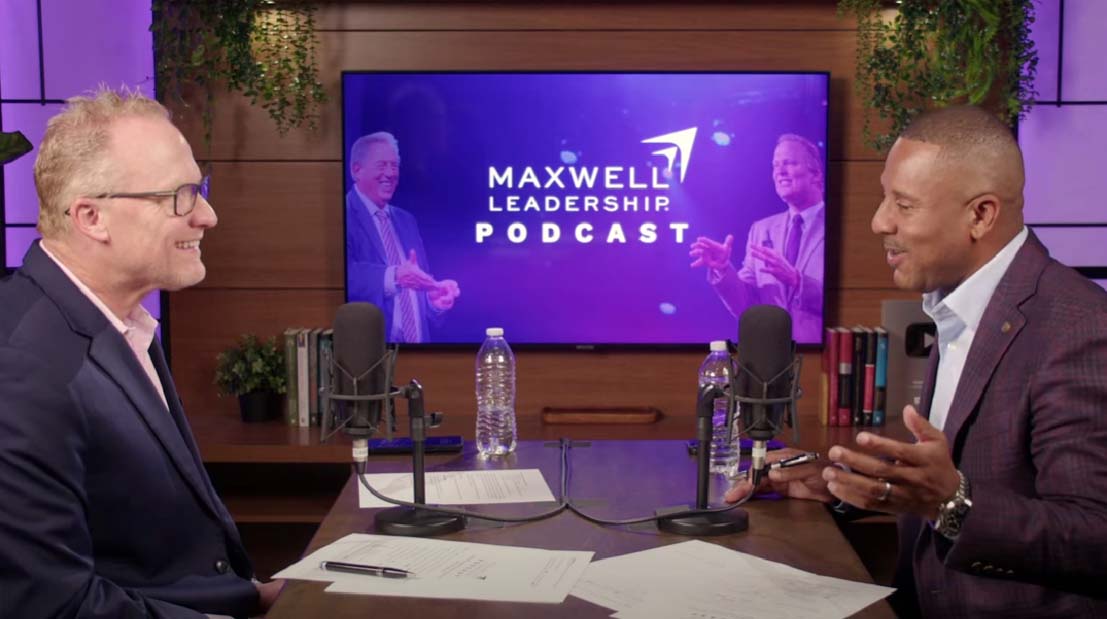
In the Maxwell Leadership Podcast episode “Leadership Blind Spots,” John Maxwell, Mark Cole (CEO of Maxwell Leadership), and Chris Goede (Executive VP leading coaching and development) share key insights on leadership and organizational blind spots and how these impact your organization. Let’s explore those insights next:
Singular Perspective Trap
When decisions come only from the top, they often ignore how others will experience them. As John Maxwell says, “You motivate and lead others not from your perspective but from theirs.” This mismatch creates gaps in understanding across teams and breeds organizational blind spots by devaluing diverse viewpoints.
Insecurity and Pride
Leaders who hide behind pride miss the opportunity to learn from mistakes. As John Ruskin quipped, “Pride is at the bottom of all great mistakes,” a truth Maxwell often reiterates. That refusal to admit error preserves blind spots and deepens organizational resistance to change.
Devaluation of People
When people feel unseen or undervalued, their insight fades. Maxwell teaches that “leaders who value their people give them their best effort,” while those who don’t diminish engagement. That perception deficit dulls collective intelligence and weakens organizational awareness.
Overreliance On Strengths
Leaders naturally lean into what they excel at, but vulnerability lies elsewhere. “We’re intuitive in the area of our strengths… blind spots are in areas of our weakness,” Maxwell observes. Focusing only on strengths leaves critical risks unexamined.
Cognitive Biases and Silos
Biases like confirmation bias or the sunk‑cost fallacy distort judgment and reinforce old patterns. These blind spots thrive when habits go unchallenged and teams stay in isolated silos. Over time, they embed systemic blind zones that erode insight.
Within this context, Maxwell’s reminder fits: “The blind spot is an area… they continually do not see themselves.” A system built on comfort zones or unchallenged beliefs becomes blind to its own flaws.
Go deeper into this topic in our episode “Leadership Blind Spots”.
Effective Solutions to Reveal and Reverse Organizational Blind Spots
These tools and practices help leaders grow clarity and impact. Creating systems that surface blind spots enriches leadership and fortifies organizational resilience. Let’s explore strategies that shift hidden barriers into insights.
1. Ask “What Am I Missing Here?”
Inviting this question, at every level, sparks diagnostic insight and moves listening beyond lip service. Mark Cole’s guidance in the Maxwell Leadership podcast makes this practical, a habit, not just a slogan. It opens up dialogue that reveals overlooked issues and hidden risks.
2. Invite External and Diverse Perspectives
Bringing in outside advisors, rotating consultants, or board self‑assessments breaks internal echo chambers. External viewpoints sharpen blind-spot detection and surface assumptions teams never consider. Diversity of perspective leads to richer understanding and strategic clarity.
3. Build Psychologically Safe Spaces
Leaders who model vulnerability by admitting mistakes invite others to speak up. Maxwell’s reminder that “The biggest mistake a leader makes is not admitting that the leader made the mistake” sets a tone for honesty. That kind of culture makes blind spots visible, not hidden.
4. Use Systems Thinking and Mapping
Mapping feedback loops, dependencies, and hidden risks offers a holistic view of organizational flow. Systems thinking reveals hidden connections and potential blind spots in processes or structures. That broader lens helps leaders see dynamics others may miss.
5. Implement Structured Feedback Systems
360‑degree surveys, peer reviews, and emotional intelligence assessments bring input from across the organization. These tools surface blind areas through consistent multi-source feedback. When regularly applied, they sustain awareness and guard against leaders overestimating their clarity.
6. Audit Decisions and Past Errors
Reviewing recurring mistakes uncovers patterns where pride, bias, or complacency took precedence. That historical clarity becomes the foundation for wiser decisions ahead. It shows where blind spots live and invites course corrections at scale.
Keeping out of organizational blind spots is a job that requires consistency and teamwork. Regular intentional rhythms and collaborative systems become your safeguards against unseen gaps. When leaders make space for diverse perspectives and structured reflection, awareness grows and blind spots begin to fade.
Read more about How to Remove Your Leadership Blind Spots.
Partner with Maxwell Leadership to Transform Blind Spots into Clarity
Leaders who embrace awareness, understand roots, and adopt solutions to organizational blind spots shape cultures that thrive in trust, creativity, and retention. Recognizing your organization’s and leadership blind spots is the first step. Learning their causes and applying practical strategies allows real transformation.
Maxwell Leadership offers Executive Coaching designed to help you identify and remove blind spots, strengthen team connection, and build a leadership culture rooted in values and clarity. Explore our Executive Leadership Development program and subscribe to the Maxwell Leadership Podcast for more free insights into leadership growth.
Let us support you as you lead with clarity and purpose. Contact us to start your journey to leadership with impact and intention.